Death Valley, California: Super Bloom 2016
- By Thong Do
- •
- 25 Mar, 2016
- •
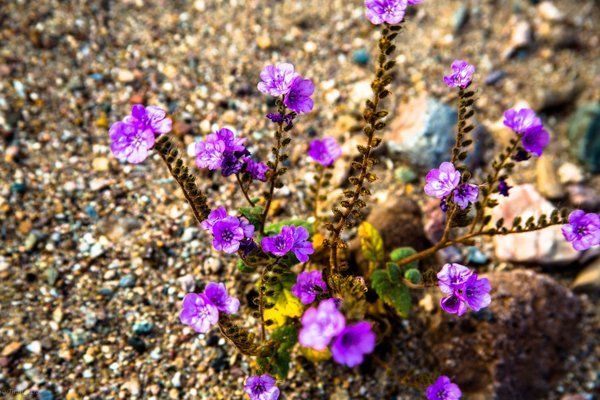
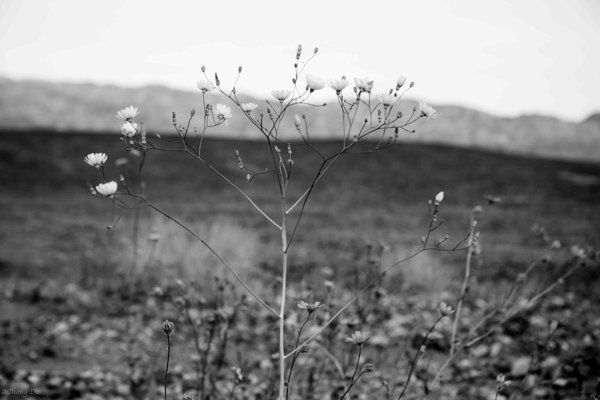
A very rare occurrence that happens once a decade, Death Valley, California is known for its extreme heat and low elevation but manages to capture the imagination with an explosion of life. Due to El Nino effects, Death Valley has benefited from the rains exposing dormant seeds in 1998, 2005, and again in 2016 leaving local desert residents with a visual feast of flowers.
I was quite fortunate to make this trip since it happened to occur during my trip to Las Vegas to visit family. Luckily, I had my gear with me and the slight detour was well worth the wait. Only available for a short window, the timing was perfect to visit before the legendary heat arrived. On my way to see the biodiversity, one of the must see areas is Zabriskie Point.
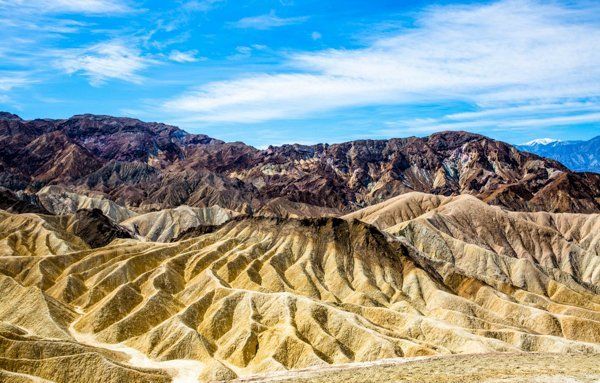
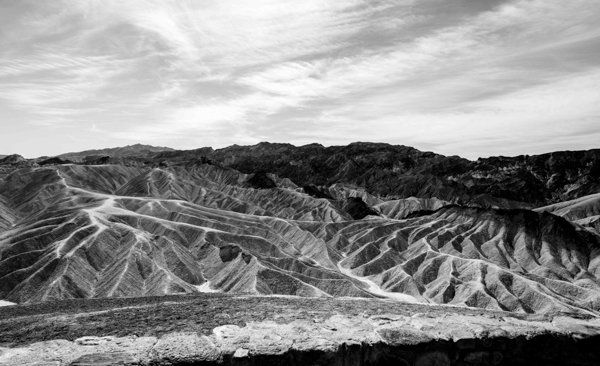
A short walk to the top shows an amazing view of the local geology and what nature has to offer. What can only be described as a cross between a maze of chicken feet and veins, the grooves and formations of the dirt offer a visual masterpiece. If you have plenty of water and are a good hiker, then it’s definitely worth going down one of many numerous trails to experience it up close!
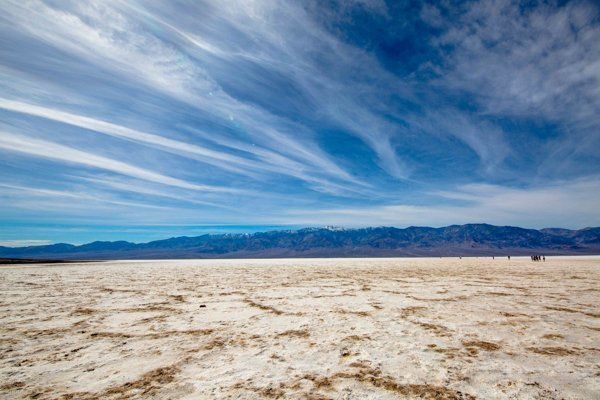
My next stop was to the Badwater Basin. Otherwise known as the lowest elevation point in North America, this area is salty white as far as the eye can see. Take a long stroll in this area and get lost in the vastness of open space. There are plenty of photo opportunities here to take advantage of. Pay close attention to the details of the salt crystal formations and the numerous geometric shapes.
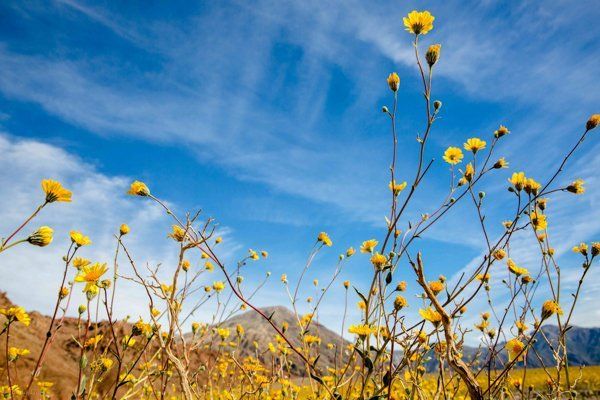
One of the must abundant flowers seen in the Superbloom is the “desert gold”, a yellow daisy-esque larger sized flower. Located just a few miles from the Badwater Basin, the highest concentration of “desert gold” fields are here to enjoy. Suggested music to be listening to put in your car or playlist is Sting’s Fields of Gold and Desert Rose. A stunning visual masterpiece, this is just a beautiful area to hike and get back to nature.
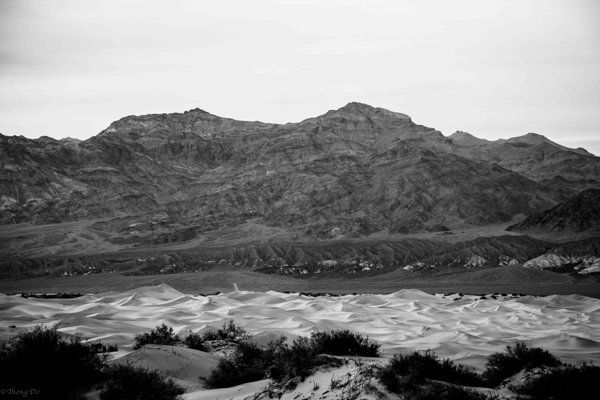
The last stop on my day trip through Death Valley was to the local Sand Dunes. There are a total of 5: The Mesquite Flat, Eureka, Saline Valley, Panamint, and Ibex Dunes. I only had time to see The Mesquite Flat Dunes. I always enjoyed looking at Sand Dunes because the contrast between light and dark is so unavoidable. Not only that, I enjoy the winds blowing and changing the landscape. It’s a personal reminder to me that not all beautiful things last forever and to just take time to appreciate them.